Looking for an IBS Dietitian Near You?
You’ve been here before: standing in front of the fridge, trying to remember what made you feel terrible last week. Was it the onions? The apples? Stress from work? All of it?
If you’re searching for an IBS dietitian near you, you already know generic nutrition advice doesn’t cut it. “Eat more fiber.” “Avoid spicy foods.” “Just relax.” None of that helps when your symptoms feel random and your triggers seem invisible.
You’re not dealing with a rare problem. According to the International Foundation for Gastrointestinal Disorders (IFFGD), IBS affects 10-15% of adults worldwide, and it’s one of the most common reasons people visit gastroenterologists. The Canadian Digestive Health Foundation reports that IBS impacts over 5 million Canadians—yet most struggle to find effective, personalized management strategies.
You don’t need more diet rules. You need someone who understands IBS specifically and can help you figure out what’s actually going on in your gut.
That’s exactly what we do. We work with people in Hamilton and virtually across Ontario who are tired of guessing and ready for a systematic, personalized approach to managing IBS through nutrition.
Who IBS Nutrition Support Is For
This is for you if you’re dealing with:
- Ongoing bloating, gas, or abdominal pain that disrupts your day
- Alternating constipation and diarrhea (or mostly one or the other)—IBS-D, IBS-C, or IBS-M
- Symptoms triggered by food but you can’t figure out the pattern
- IBS diagnosis or suspected IBS and you don’t know where to start
- Tried generic diets (gluten-free, dairy-free, “clean eating”) without lasting success
- Avoiding more and more foods out of fear, with no clear improvement
- Social anxiety around eating because you never know how your body will react
- Gut-brain axis issues where stress directly triggers your digestive symptoms
Many of our clients come to us with chronic digestive problems or bloating relief needs before we identify IBS as the root cause. We work with all of it.
If you’re planning your life around bathroom access or turning down invitations because food situations feel unpredictable this is for you.
We serve clients throughout Hamilton (Westdale, Dundas, Ancaster, Stoney Creek, the Mountain) and virtually across Ontario. Whether you’re looking for a dietician for IBS near you or prefer remote support, we’ll build a plan that fits your life.
IBS-Focused Nutrition, Not Generic Advice
Here’s the thing about working with a general nutritionist versus an IBS nutritionist: IBS isn’t just “sensitive digestion.” It’s a complex condition with different subtypes, overlapping triggers, and individual symptom patterns.
What makes IBS nutrition support different:
We Don’t Give You Someone Else’s Diet Plan
That meal plan that worked for your friend with IBS? Probably won’t work for you. IBS-D (diarrhea-predominant) needs different strategies than IBS-C (constipation-predominant). Your triggers aren’t the same as someone else’s triggers.
We build YOUR plan based on YOUR patterns.
We Use a Symptom-Driven Approach
Instead of eliminating random “common IBS triggers,” we track your actual symptoms to identify what’s really causing problems. We’re looking for connections you might not see on your own timing patterns, food combinations, stress interactions, sleep impacts.
We Know When to Use Low FODMAP (and When Not To)
Low FODMAP isn’t a lifelong diet. It’s a diagnostic tool. We’re trained FODMAP nutritionists who understand:
- When Low FODMAP is appropriate
- How to implement it correctly (most people don’t)
- When to reintroduce foods (this is where most people get stuck)
- How to avoid unnecessary long-term restriction
If you’re looking for a dietician for IBS near you who actually understands these nuances, you’re in the right place.
We’re located in downtown Hamilton and work with clients across the city plus virtual clients who want IBS-specific expertise without geographic limits.
Ready to get personalized IBS support? Book a free 15-minute consultation and let’s discuss your specific symptoms and triggers. No commitment required.
Low FODMAP Guidance With Professional Support
You’ve probably heard of the Low FODMAP diet. Maybe you’ve tried it. Maybe you’re scared to try it because it seems overwhelming. Maybe you tried it and it “didn’t work.”
Here’s what you need to know about working with a Low FODMAP diet dietitian:
When Low FODMAP Helps
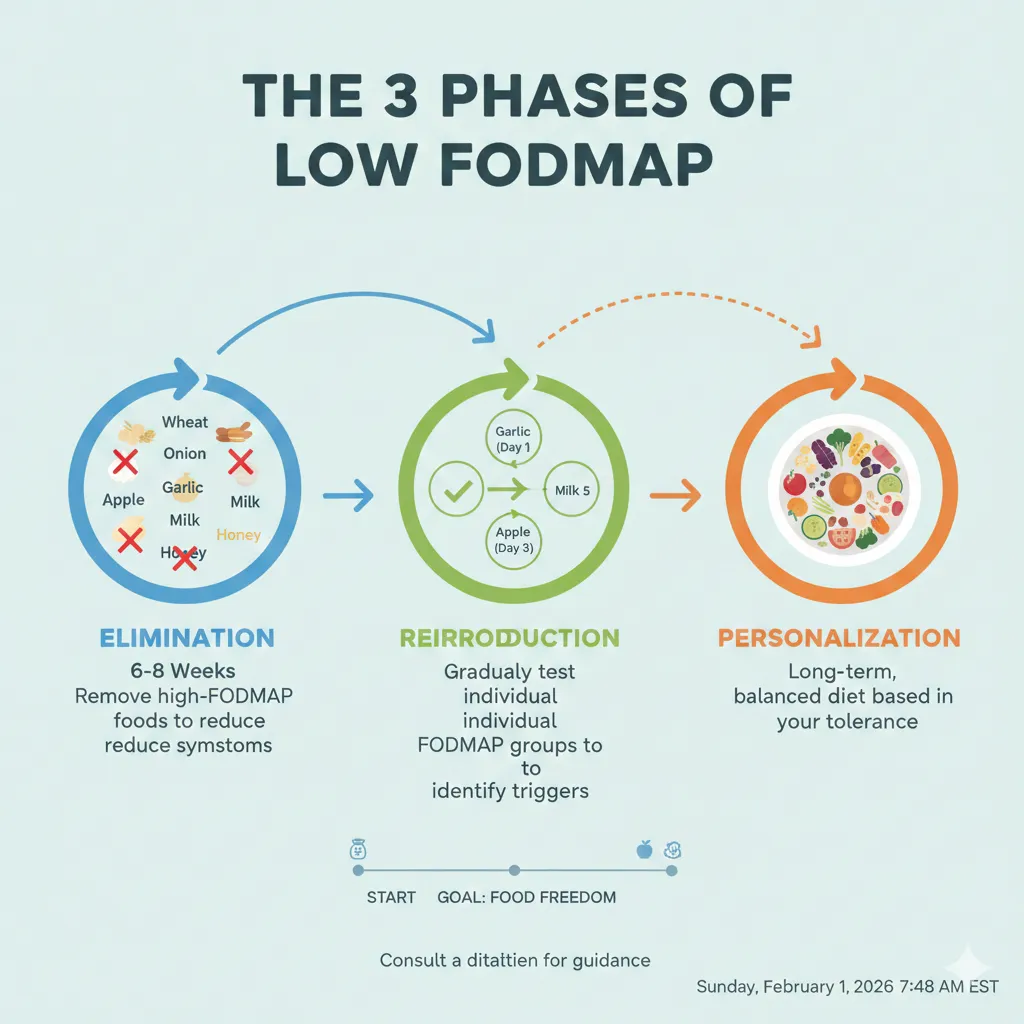
Low FODMAP is one of the most effective interventions for IBS when used correctly. Research shows about 75% of people with IBS see symptom improvement during the elimination phase.
It works best for:
- IBS with bloating and gas as primary symptoms
- People who suspect food triggers but can’t identify them
- Those who haven’t responded to simpler elimination strategies
When It Does NOT Help (and What We Do Instead)
Low FODMAP isn’t the answer for everyone. If you have:
- Primarily stress-triggered symptoms (gut-brain axis work is more effective)
- SIBO that hasn’t been treated (needs antimicrobials first)
- Severe anxiety around food restriction (may worsen disordered eating patterns)
We’ll tell you if Low FODMAP isn’t right for you and recommend alternative approaches instead. That’s the difference between working with a FODMAP nutritionist versus trying to DIY it from blog posts.
Reintroduction Matters More Than Elimination
Here’s where most people get stuck: they eliminate FODMAPs, feel better, and then… stay restricted forever out of fear.
That’s not how it’s supposed to work.
The reintroduction phase is where you figure out:
- Which FODMAPs YOU actually react to (not all of them)
- What your threshold is (you might tolerate small amounts fine)
- How to build a diverse, sustainable diet
We guide you through this systematically. No guessing. No staying restricted longer than necessary.
Avoid Long-Term Restriction Mistakes
Staying low FODMAP forever can:
- Reduce beneficial gut bacteria
- Create nutritional deficiencies
- Increase food anxiety
- Limit your social flexibility
Our goal: help you eat as freely as possible while managing symptoms.
If you’re searching for a nutritionist specializing in IBS near you who knows how to use Low FODMAP strategically (not as a permanent restriction), that’s exactly what we do.
How IBS Nutrition Support Works
Working with us isn’t about following a pre-made meal plan or checking in once a month. It’s systematic, personalized, and designed to actually solve the problem.
Here’s the process:
1. Initial IBS Symptom Assessment
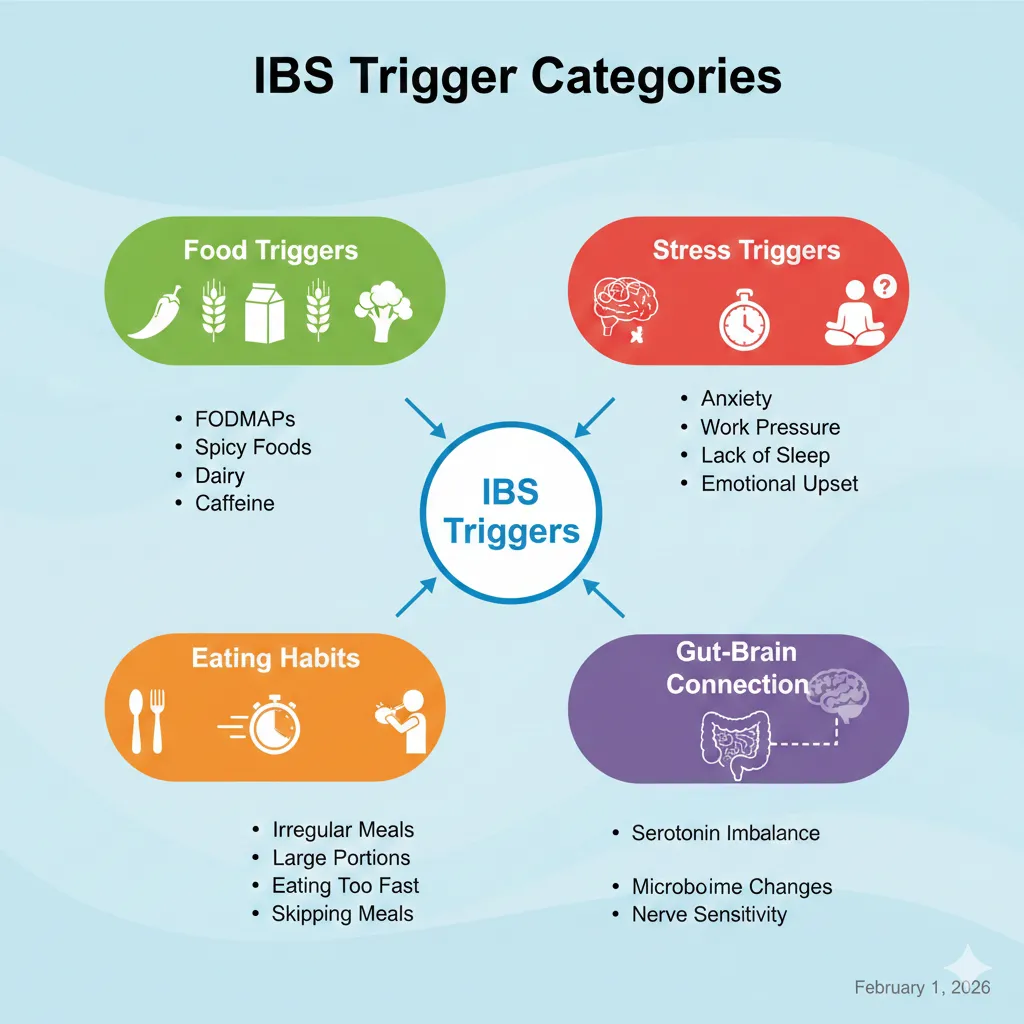
We start with a comprehensive intake to understand:
- Your symptom patterns (when, where, how intense)
- What you’ve already tried and what happened
- Your current diet and eating habits
- Stress factors, sleep quality, lifestyle patterns
- Whether you have IBS-D, IBS-C, IBS-M, or unspecified IBS
This isn’t a 15-minute chat. We dig deep so we’re working with accurate information, not assumptions.
2. Personalized Nutrition Strategy
Based on your assessment, we build your initial protocol. This might include:
- Targeted elimination (Low FODMAP or other approaches)
- Specific fiber adjustments based on your IBS subtype
- Meal timing and eating rhythm strategies
- Supplements if appropriate (we don’t guess we recommend based on evidence)
You’ll know exactly what to do, why you’re doing it, and what to expect.
3. Trigger Identification and Adjustments
As you implement your protocol, we track symptoms and identify patterns. We adjust based on:
- What’s working and what isn’t
- Symptom changes (positive or negative)
- Practical challenges in your real life
- Reintroduction testing if using elimination protocols
This is where working with a nutritionist for IBS near you (or virtually) makes the biggest difference. You’re not figuring this out alone.
4. Ongoing Support and Refinement
IBS management isn’t a one-time fix. It’s about building a sustainable approach that works long-term. We provide:
- Regular check-ins to troubleshoot and adjust
- Support through reintroduction phases
- Strategies for handling setbacks or flare-ups
- Guidance on maintaining flexibility while managing symptoms
By the end, you’ll understand your body’s patterns well enough to manage confidently on your own.
IBS Nutrition Support in Hamilton
We’re located in downtown Hamilton and work with clients across the city:
- In-person sessions at our Hamilton office (Unit 2B, 144 James St S)
- Virtual sessions for clients anywhere in Ontario
- Flexible scheduling because we know IBS doesn’t respect a 9-5 schedule
Whether you’re in Westdale, on the Mountain, in Dundas, Ancaster, Waterdown, Stoney Creek, or Burlington you have options.
Looking for a nutritionist specializing in IBS near you who actually gets it? You’re in the right place.
Many of our IBS clients prefer virtual sessions (no commute stress, no worrying about symptoms during travel). Others appreciate in-person support. Both work equally well you choose what fits your needs.
Investment in Your IBS Management
Our health coaching packages are designed to give you the sustained support needed for real, lasting digestive relief.
Health Coaching Packages:
- 3-Session Package: $240 CAD - Perfect for initial trigger identification and basic protocol setup
- 6-Session Package: $450 CAD - Comprehensive FODMAP guidance with full reintroduction support (Most Popular)
- 12-Session Program: $840 CAD - Complete IBS transformation with advanced gut healing protocols
All packages include personalized protocols, email support between sessions, food diary analysis, and detailed symptom tracking guidance. Many extended health insurance plans cover consultations with Registered Nutritional Practitioners.
View full pricing details | Book free consultation
Get Personalized IBS Nutrition Support
Stop planning your life around your gut. Stop avoiding foods out of fear without knowing if they’re actually triggers.
Work with an IBS-focused dietitian to create a plan tailored to YOUR symptoms, YOUR triggers, and YOUR life.
We’ll talk about:
- Your specific IBS symptoms and patterns
- What you’ve already tried and why it didn’t work
- Whether Low FODMAP or other approaches make sense for you
- How we’d build a personalized protocol together
No commitment required. Just a real conversation about solving this for good.
Book your free 15-minute consultation and let’s figure out what’s really going on.
About the author:Yamilet Pina
Certified Health Coach (IIN)
Health coach with over 20 years of clinical training in Integrative General Medicine and Urology. Certified Health Coach from the Institute for Integrative Nutrition (IIN) in New York.


