They look like tiny red dots scattered across your skin.
Maybe you’ve had one or two for years. Maybe they’re multiplying showing up on your chest, arms, stomach, back. They’re small, bright red, and they stand out every time you look in the mirror.
You’ve Googled them. You’ve wondered if they’re dangerous. You know they’re not skin tags (those are flesh-colored and hang off), not milia (those are white bumps), and not seborrheic keratoses (those are brown and waxy). These are something different small red spots that won’t go away.
You’ve thought about covering them with makeup or just learning to live with them.
Here’s what you need to know: Ruby points (also called cherry angiomas) are harmless. But they’re stubborn they won’t fade or disappear on their own. And they tend to multiply as you age.
The good news? We can treat them in a single short session, with the price agreed beforehand.
Want to know if we can help? Call us at (365) 336-9757 for a free 15-minute consultation. We’ll talk through what you’re seeing, whether our cosmetic service is appropriate for it, and what it would cost. No obligation. Prefer to type first? Message us on WhatsApp.
Electrocautery for Cherry Angioma: How Removal Works
We use electrocautery a precise, medical technique that removes cherry angiomas cleanly and effectively.
Here’s how it works:
We apply a controlled electrical current directly to the ruby point. This cauterizes (burns away) the clustered blood vessels and seals the area instantly. The red spot is gone, and because we’re cauterizing as we treat, there’s minimal bleeding.
The entire process takes just seconds per ruby point. You might feel a brief warm sensation or tiny pinch, but it’s quick and well-tolerated. Most people are surprised by how fast and easy it is.
Why electrocautery?
✓ Immediate removal: The ruby point is gone on the spot
✓ Minimal bleeding: Cauterization seals blood vessels as we treat
✓ Precise and controlled: We treat only the angioma, not surrounding skin
✓ Suitability reviewed first: size, exact location and skin type all decide whether a spot is appropriate for our cosmetic service
✓ Clean healing: scarring is usually minimal, though healing time and pigment change vary from person to person
Real Results You Can See
Before you commit to treatment, see what’s actually possible. These are real results from real patients.
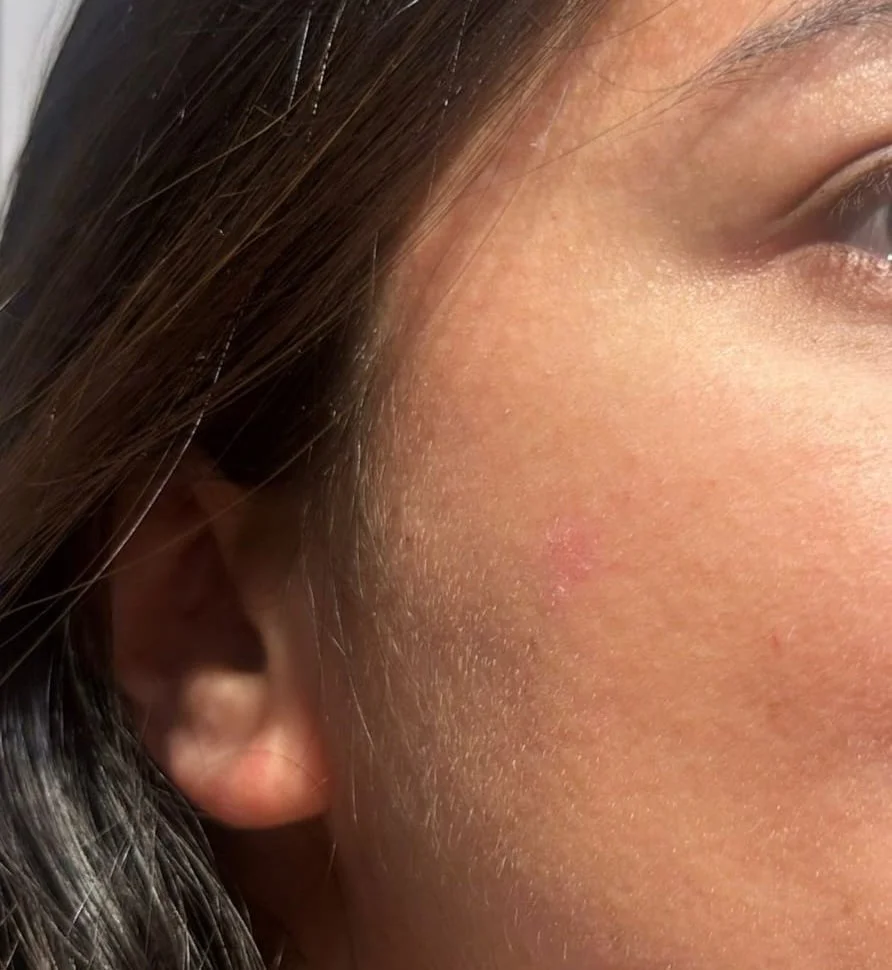
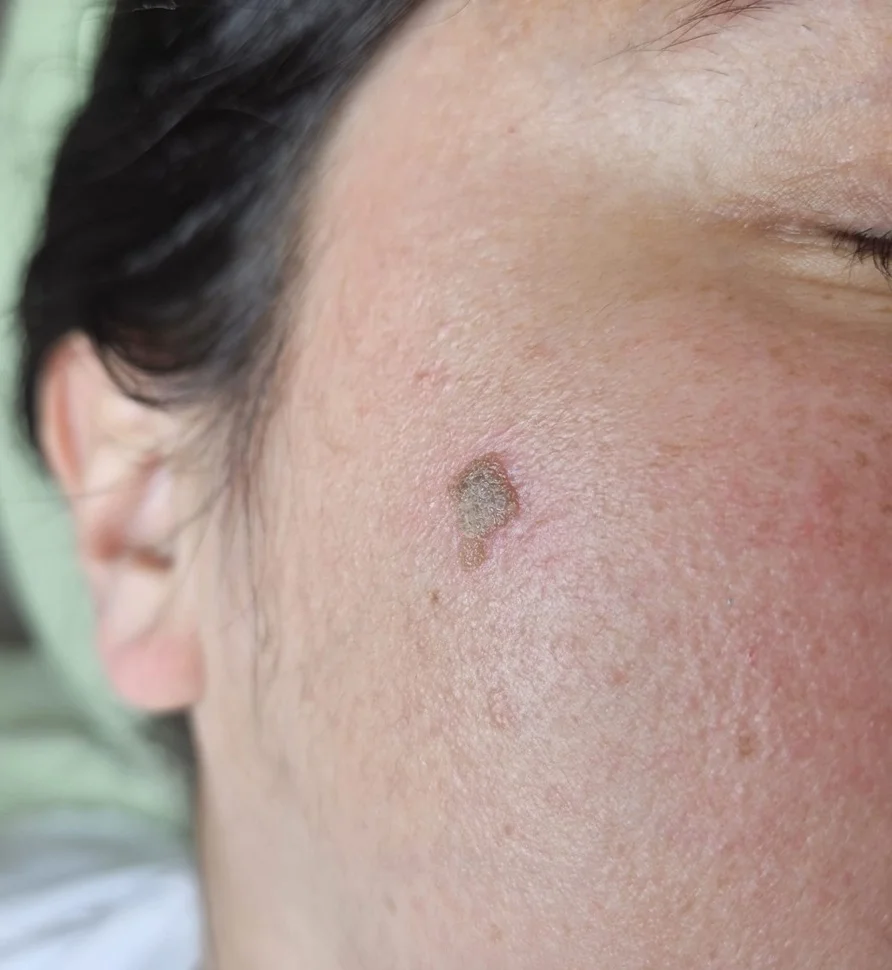
Drag the slider or click anywhere to compare
Slide to compare before and after
What to Expect
During Your Appointment:
- We look at the spots and review whether they appear suitable for cosmetic removal
- We clean and prepare the area
- We remove each ruby point using electrocautery
- We provide simple aftercare instructions
- You’re done in 15-30 minutes depending on how many spots we’re treating
After Treatment:
- Small scabs where the ruby points were (these fall off within a week or two)
- Minimal discomfort most people feel nothing afterward
- Keep the area clean and dry while it heals
- No downtime needed you can return to normal activities right away
Healing:
- Treated areas form tiny scabs that fall off naturally
- Don’t pick at them let them heal on their own
- Once healed, skin tone evens out and the red spots are gone
- Minimal to no scarring when done properly
Ready for clear, even skin? Call (365) 336-9757 to book your free 15-minute phone consultation. We’ll answer your questions and, if you’re ready, get you in fast. WhatsApp or video optional.
Cherry Angiomas on the Chest, Face and Scalp
Clients most often ask about cherry angiomas on:
- Chest and torso
- Arms and shoulders
- Back
- Face and neck
- Scalp
- Legs
Sensitive areas and the skin around the eyes need particular caution, and depending on the location we may direct you to a licensed physician instead of treating it here.
Why Hamilton Clients Choose Vicaria for Cherry Angioma Removal
We’re trained for cosmetic lesion work, and clear about where that ends. That matters when treating vascular lesions.
✓ Trained in cosmetic electrocautery: we work inside the cosmetic scope of that training
✓ Sterile technique: it lowers the infection and scarring risk that comes with home removal
✓ A clear referral boundary: we do not diagnose skin conditions, so anything that does not look like a straightforward cosmetic case goes to a physician first
✓ Safe for all skin types: We adjust technique to prevent hyperpigmentation on darker skin tones
✓ Located in downtown Hamilton: Easy access from Westdale, Mountain, Dundas, Ancaster, Stoney Creek, and beyond
How Much Does Cherry Angioma Removal Cost in Hamilton?
Our pricing is transparent and straightforward:
Consultation:
- Free 15-Minute Phone Consultation: call us to discuss your concerns and get expert advice (WhatsApp or video also available)
- In-Person Consultation: $60 CAD + taxes — examination, identification, and treatment planning
Treatment:
- Ruby Point Removal: $20-$25 per lesion (based on size and location) + taxes
- Multiple ruby points can be treated in one session
We provide clear pricing during your consultation so you know exactly what to expect.
View full pricing details | Book free consultation
Call (365) 336-9757 for your free consultation, or view full pricing details.
Note: All skin treatments at Vicaria Health are non-invasive cosmetic procedures performed by practitioners with clinical training. For medical skin concerns, please consult a dermatologist.
What Causes Cherry Angiomas (Ruby Points)?
Let’s get clear on what these are.
Ruby points medically called cherry angiomas are small, bright red bumps made of clustered blood vessels. They’re incredibly common, especially in adults over 30.
What they look like:
- Tiny red or purple dots (usually 1-4mm in diameter)
- Smooth or slightly raised
- Bright red, cherry red, or deep purple color
- Don’t blanch (turn white) when you press on them
Where they appear:
- Chest and torso (most common)
- Arms and shoulders
- Back
- Face and scalp
- Legs
They’re benign not cancerous, not dangerous. But if you bump or scratch one, it can bleed quite a bit because they’re made of blood vessels.
Most people develop more ruby points as they age. They don’t go away on their own, and there’s no cream or lotion that will make them disappear.
Cherry Angioma vs Melanoma: Why We Check First
Cherry angiomas are benign clusters of blood vessels. But a red or dark spot that appeared suddenly, is growing, is changing colour, or blanches (turns white) when you press it is not something a cosmetic consultation can rule on.
We do not diagnose skin conditions. If any of that describes your spot, have a licensed physician or dermatologist look at it before booking cosmetic removal.
What Are These Red Spots and Red Dots on My Skin?
If you’ve noticed small red spots on your skin, or tiny red dots that won’t go away, you’re probably looking at cherry angiomas. They’re the most common cause of persistent red spots in adults, and many people call them “red moles.”
Here’s how to tell red spots apart:
- Cherry angiomas (ruby points): Bright red or purple dots, smooth or slightly raised, don’t fade. The kind we remove.
- Petechiae: Flat, pinpoint red spots that appear suddenly in clusters. These can signal something that needs a doctor’s attention, not cosmetic removal.
- Spider angiomas: A central red dot with thin vessels radiating out. A different vascular lesion worth having a doctor review.
- Not red, but often confused: skin tags (flesh-colored, hanging), milia (white bumps), and seborrheic keratosis (brown, waxy).
If your red spots are bright red, raised or smooth, and have been there a while, they’re almost certainly cherry angiomas, and we can remove them in a single visit. Not sure? We’ll examine them first and tell you exactly what they are.
Why They Bother People (And Why You Don’t Have to Live With Them)
Most people ignore ruby points at first. One or two red dots? No big deal.
But then more show up. And more. They start clustering on your chest or arms. You feel self-conscious in tank tops or swimsuits. You notice them in every photo.
Maybe you’ve tried covering them with makeup. Maybe you’ve resigned yourself to just having them. Maybe you’ve thought about removal but assumed it would be complicated or expensive.
Here’s the reality: cherry angioma removal is a short cosmetic procedure and the price is published before you book. Most people wish they’d asked sooner.
We see patients from all over Hamilton Westdale, the Mountain, Dundas, Ancaster, Stoney Creek who are tired of seeing red spots multiply and just want clear, even-toned skin.
Ready to get rid of those red spots? Book a free 15-minute consultation to discuss your concerns and get expert advice. Video optional.
Related Reading
For why these red spots appear in the first place, and who tends to get them, read what causes cherry angiomas. For pricing across Ontario, see the skin lesion removal cost guide.
Ready for Clear, Even Skin?
We’ll examine your ruby points, answer your questions, and remove them safely so you can stop thinking about those red spots.
Vicaria Health is located in downtown Hamilton and serves clients throughout the city, including Westdale, Hamilton Mountain, Dundas, Ancaster, Waterdown, Stoney Creek, and Burlington.
Stop feeling self-conscious about red spots.
Chat with us a Free Consultation
Who Does the Removal
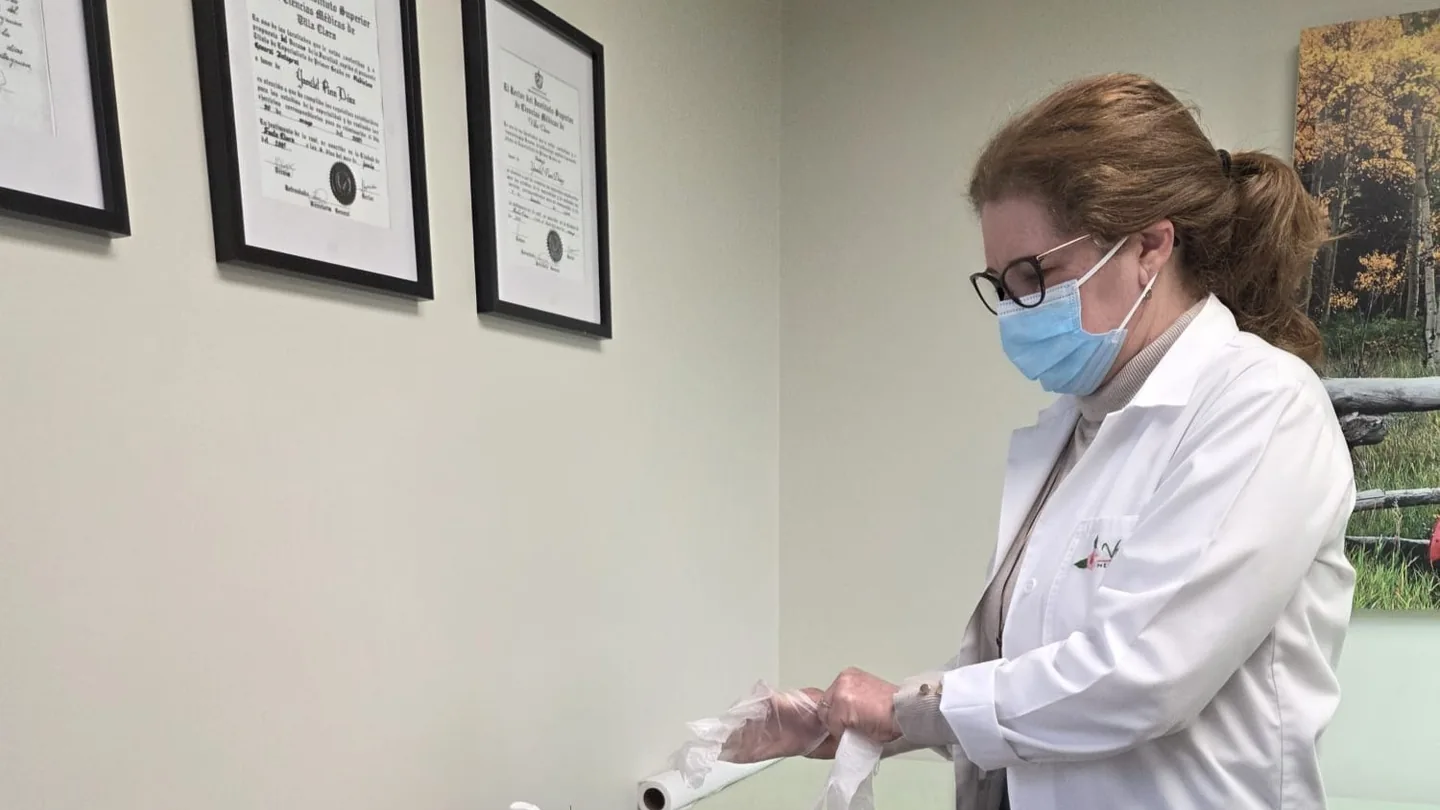
Maurin Casella and Yamilet Pina are both certified Skin Tags Removal Technicians, trained at the Chellsey Institute of Beauty & Health and certified in March 2024. The course covers the removal technique itself, which is the same across the lesions treated here — there is no separate certificate per lesion type.
It is a cosmetic qualification, not a medical one. It covers the removal itself — not deciding what a lesion is, which is why anything uncertain is referred to a licensed physician or dermatologist before any treatment is booked.
Both certificates are on display at the clinic, and we are happy to show them at your consultation.

About the author:Maurin Casella
Certified Health Coach (IIN), Certified Skin Tags Removal Technician
Health coach with over 20 years of clinical training in General Medicine and Pathology. Certified Health Coach from the Institute for Integrative Nutrition (IIN) in New York.


