A Wart on Your Finger: Will It Go Away on Its Own, and When to Stop Waiting
Many common warts on the hands clear without treatment, but it can take a year or two and they spread while you wait. What the evidence says, what helps at home, and which finger warts need a doctor.
It started as a small rough patch beside a knuckle. You assumed it was dry skin. Six months later it is a raised, grainy little bump you keep running your thumb over, and now there might be a second one starting on the next finger.
The question we hear most about finger warts is not how to get rid of them. It is “won’t it just go away?” It is a fair question, and the honest answer is “probably, eventually,” which is less useful than it sounds.
What a finger wart usually is
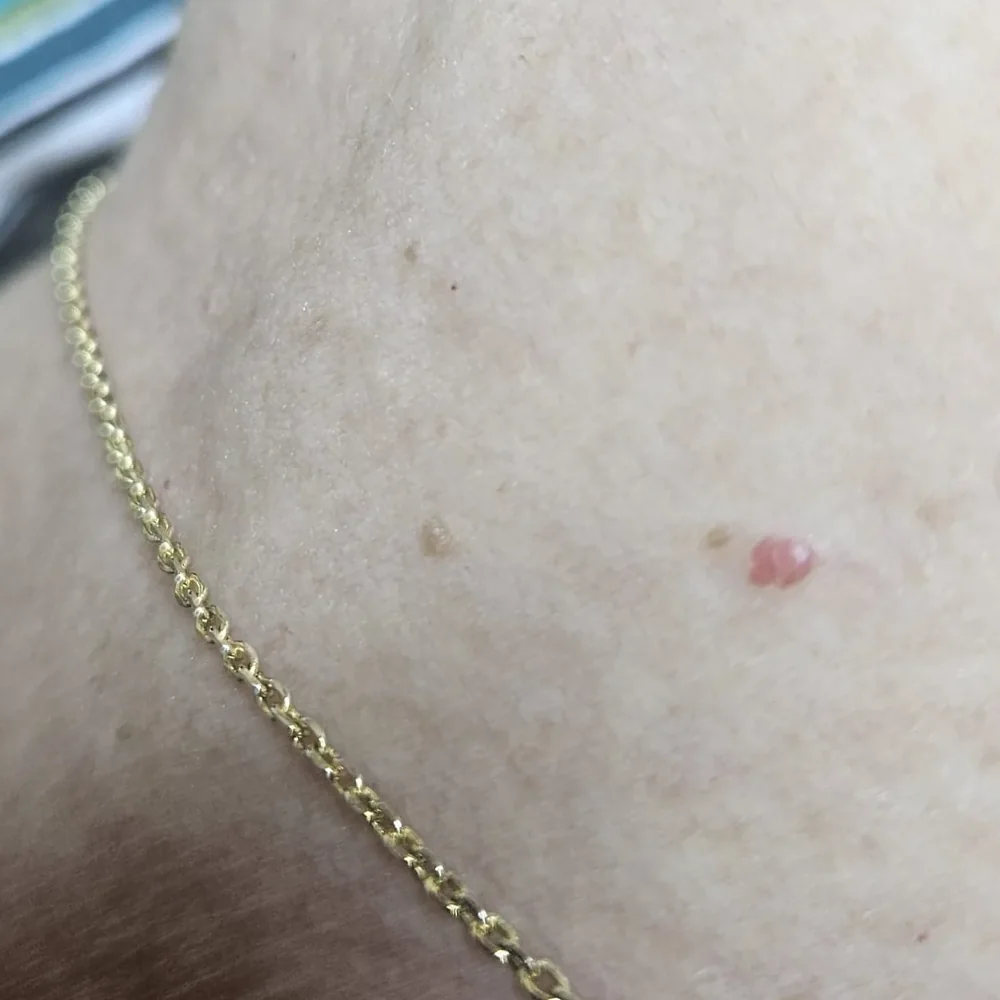
Most warts on the fingers and hands are common warts. Typical features:
- Raised and rough, with a grainy or cauliflower-like surface
- Skin-coloured, greyish or slightly brown
- Tiny black dots inside, which are small clotted blood vessels
- Often on the knuckles, around the nails and on the backs of the hands, where skin gets nicked
They are caused by human papillomavirus (HPV), specifically types that infect the skin of the hands. These are not the same types that cause genital warts. The virus gets in through tiny breaks in the skin, which is why warts love hangnails, bitten cuticles and dry, cracked knuckles.
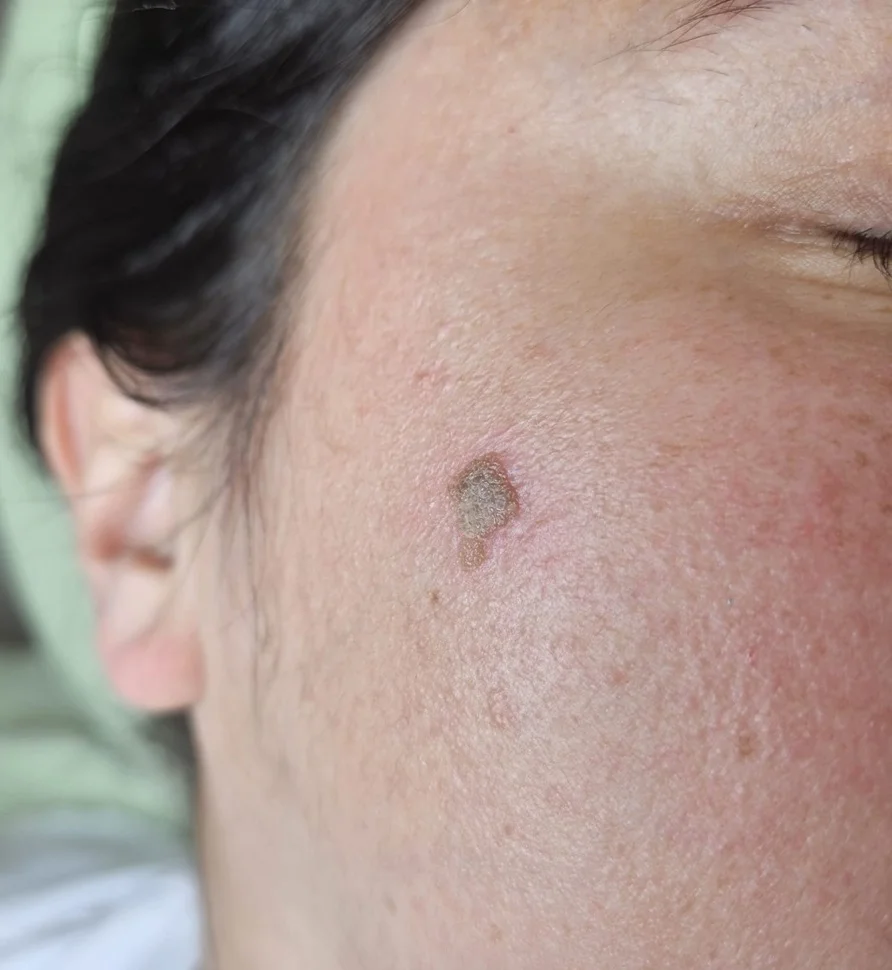
Things that can look similar include calluses, corns, some types of keratosis and, occasionally, growths that are not harmless at all. Vicaria does not diagnose skin conditions, and our practitioners are not licensed physicians or dermatologists in Ontario. If you are not sure it is a wart, that is the first question to settle, and a doctor is the right person to settle it.
Will it go away on its own?
Often, yes. Common warts are cleared by the immune system once it recognises the virus, and that happens without any treatment in a good share of cases. The catch is the timeline:
- Many clear within one to two years. Some take much longer.
- Children tend to clear them faster than adults.
- There is no way to tell in advance which wart will go in three months and which will still be there in three years.
- A wart can disappear without a mark, which is one reason nobody needs to treat one urgently.
So waiting is a perfectly reasonable choice for a small, painless wart that does not bother you. What waiting costs you is not your health. It is time, and spread.
The real problem with waiting: it spreads
A finger is the worst possible place for a wart to sit quietly, because your fingers touch everything, including your other fingers, your face and your mouth.
The ways finger warts spread most often:
- Picking and biting. The single biggest one. Chewing at a wart or the skin around it moves virus to new skin, sometimes to your lips.
- Hangnails and cuticle work. Pushing back or cutting cuticles near a wart creates a fresh way in.
- Shared files and clippers. Filing a wart down and then using the same emery board on your other nails.
- Shaving. For warts on the face or legs, a razor drags the virus along.
If you are going to wait, wait carefully: keep it covered when you can, use a dedicated file you throw away, and leave it alone.
What helps at home
Salicylic acid paints, gels and plasters have the best evidence of the home options, and they do better on the thin skin of a finger than on the sole of a foot. They need daily use for many weeks, with the softened skin gently filed back between applications. Most people who say they failed stopped in week three, which is understandable and also why.
Freeze kits sold in drugstores do not reach the temperatures clinical cryotherapy does. On a small, flat wart they sometimes work. Do not use them near the nail, on the face, or if you have diabetes or poor circulation.
Duct tape has mixed evidence. It is not harmful, and some people swear by it.
Cutting, burning or digging it out yourself is the one approach we would stop. You create an open wound full of virus on the part of your body that touches everything else.
We go into the drugstore options in more detail in why drugstore wart treatments fail on the feet. Fingers are the case those products were designed for, so they deserve a proper try first.
When to see a doctor, not us
See your family doctor or a dermatologist first if:
- You have diabetes, poor circulation, or a weakened immune system from illness or medication
- The growth is under the nail, lifting the nail, or the nail itself is changing
- It is bleeding on its own, changing colour or shape, or growing quickly
- It is painful, red and swollen, or looks infected
- There are many warts appearing fast
- It is on the face or genitals
- You are not certain it is a wart
That last one matters more than it sounds. A rough bump on a finger in an older adult is not automatically a wart, and a cosmetic appointment is the wrong first step for anything uncertain.
When removal makes sense
For a familiar wart on a finger or hand that has lasted months, keeps catching, is spreading, or that you are simply done with, removal is a reasonable step.
At Vicaria we use electrocautery, controlled heat from a fine probe applied to the wart. Most people describe a brief warm sting, and we can apply a topical numbing agent for sensitive spots. The area forms a scab that comes off over one to two weeks, and a pink mark fades over the following weeks. Scarring and pigment change are possible, and we explain the risks before treatment. If you want to know exactly what to expect, we wrote about what electrocautery feels like and how skin heals afterwards.
Warts around the nail are trickier for everyone. Some are suitable for cosmetic removal and some are better with a physician, and we tell you which at the consultation.
Removal treats the wart in front of us. It does not make you immune to HPV, and a wart can come back in the same place or appear somewhere new. Anyone who promises otherwise is overselling.
Wart removal in Hamilton
Vicaria offers cosmetic wart removal at Unit 2B, 144 James St S in downtown Hamilton, serving Ancaster, Dundas, Stoney Creek, Waterdown, Burlington and Grimsby.
- A visit: $99, HST included, covering the in-person consultation and the first wart
- Each extra wart in the same visit: $20
- Never more than $299 a visit, however many, whatever the size
Two warts come to $119, three to $139. We do not treat genital warts; those belong with a physician or a sexual health clinic.
Call (365) 336-9757 or message us on WhatsApp.
Important: a growth under the nail, one that is bleeding on its own, changing, painful or that you are not sure is a wart, and any wart in someone with diabetes or a weakened immune system, should be assessed by a licensed physician or dermatologist before any cosmetic removal.
Services that fit this topic
Yamilet Pina and Maurin Casella are certified health coaches (IIN). This content is educational and does not replace medical advice. If you have a medical condition, please consult your healthcare provider.